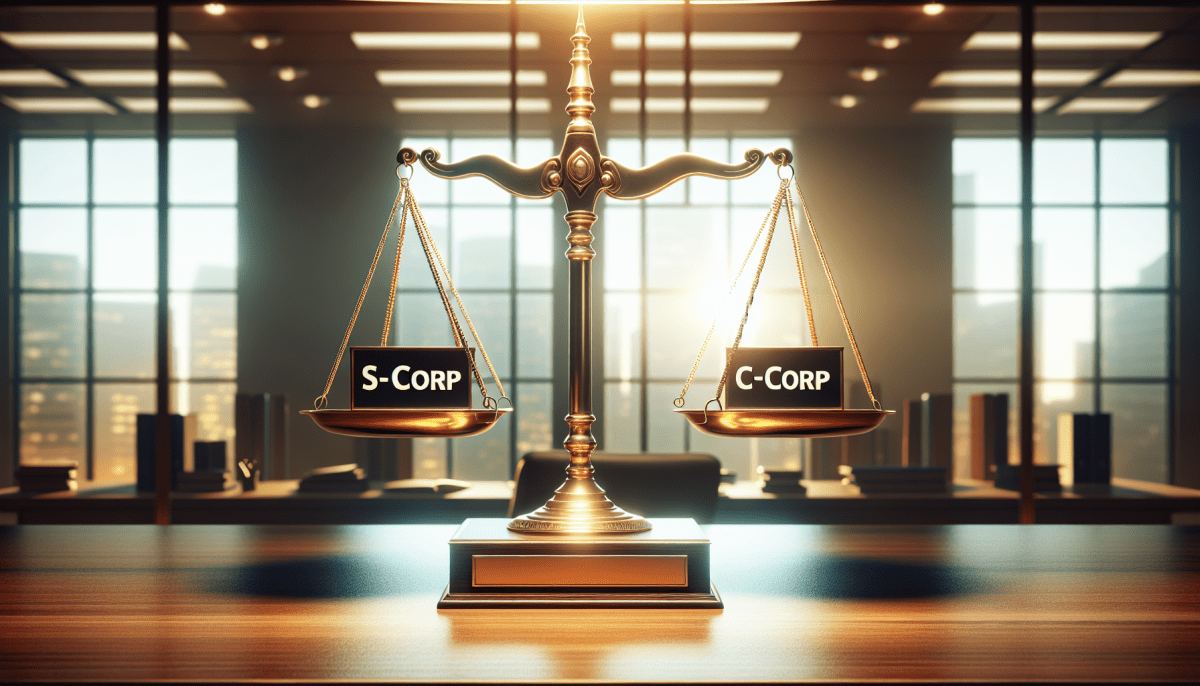
Choosing the right type of business entity can feel overwhelming, but it doesn’t have to be. When you're starting a business, one of the key decisions you’ll make is deciding between an S-corp, C-corp, or LLC. Each option offers unique benefits and responsibilities, and understanding these can help you make the best choice for your specific needs.
Let’s break it down. An S-corp is great if you're looking for a tax-efficient structure. It allows income to pass through to shareholders, meaning the business itself doesn’t pay federal income taxes. Instead, profits are reported on the personal tax returns of the owners. This can save you money—just keep in mind that there are restrictions on the number of shareholders.
On the flip side, a C-corp is often the go-to for businesses planning to grow big, attract investors, or go public. The main thing to know here is that C-corps face double taxation—once at the corporate level and again when profits are distributed as dividends. However, they come with perks like unlimited shareholders and the ability to offer stock options.
Then there's the LLC, which is the hybrid option found between S-corps and C-corps. It provides flexibility and protection without the double taxation issue. Profit and loss can be passed through to owners just like an S-corp. Plus, there are fewer regulations that you need to deal with. Perfect for small businesses or startups looking for simplicity!
So, when you're weighing S-corp or C-corp or LLC? it really comes down to what you envision for your future and how you want to manage taxes and responsibilities. Each entity has its own sets of rules, but with a little bit of research and maybe even a chat with a tax pro, you can confidently choose the best fit for you.
Key Differences Between S-corp C-corp and LLC
When you're starting a business, one of the first big decisions you'll face is choosing the right business entity. Let's break down the key differences between S-corp, C-corp, and LLC to help you decide what's best for you when you're asking, "S-corp or C-corp or LLC?"
S-Corporation (S-corp): An S-corp lets you avoid double taxation, meaning the company's income isn’t taxed at the corporate level. Instead, profits and losses are passed through to shareholders who report them on their personal tax returns. This structure is popular among small to medium-sized businesses. Just keep in mind there are rules about who can be a shareholder and limits on the number of shareholders.
C-Corporation (C-corp): C-corps are the classic corporation structure, often preferred by larger companies. They face double taxation—first at the corporate level, then at the individual level when profits are distributed as dividends. However, C-corps can have unlimited shareholders and different classes of stock. This is beneficial for raising capital, but it comes with some complexity in tax filings.
Limited Liability Company (LLC): An LLC combines features of both S-corps and C-corps but offers more flexibility. You can choose to be taxed as an S-corp or a C-corp, or even as a sole proprietorship if you’re the only owner. Plus, LLCs provide personal liability protection for owners—great for shielding your personal assets from business debts. They’re simpler to manage with fewer formalities compared to C-corps.
Ultimately, your decision on "S-corp or C-corp or LLC?" should consider factors like your business size, growth plans, and how you want to be taxed. Each structure has its pros and cons, so take the time to evaluate what's most important for your business journey.
Pros and Cons of Each Business Structure
When you're deciding on the right business structure, like S-corp or C-corp or LLC?, it's essential to weigh the pros and cons of each option. Understanding what each structure offers can help you choose the best fit for your needs.
Pros of S-Corp:
Cons of S-Corp:
Pros of C-Corp:
Cons of C-Corp:
Pros of LLC:
Cons of LLC:
Take some time to consider these pros and cons as you think about S-corp or C-corp or LLC? The right structure can make a big difference in how your business operates and grows.
How to Decide What’s Best for You
When you're diving into the world of business structures, it can feel a bit overwhelming with choices like S-corp or C-corp or LLC. Each option has its own perks and drawbacks, so it’s key to figure out which one aligns with your needs.
First, think about your business goals. Are you planning to keep things small and flexible? An LLC might be a great fit for you. It offers simplicity and protects your personal assets without getting too complicated with regulations. On the other hand, if you want to attract investors or plan to go public eventually, then an S-corp or C-corp could be more your style. They tend to have more structure and potential for raising capital.
Next up, take a look at taxes. S-corps can help you avoid double taxation, meaning you only pay taxes at the personal level without that extra tax hit on the corporation. C-corps, while they do face double taxation, can come with some great tax benefits, especially for larger businesses. LLCs often have flexible tax options, so consider which tax scenario makes you feel most comfortable.
Finally, think about administrative work. LLCs usually require less paperwork and fewer formalities than S-corps or C-corps, which have more strict guidelines and compliance needs. If you're not ready to deal with a lot of form-filling or management tasks, this might be an important aspect to consider.
In short, take the time to assess your business needs, goals, and comfort with administration. This way, you can make a more informed decision about which structure—S-corp or C-corp or LLC?—is best for you.